
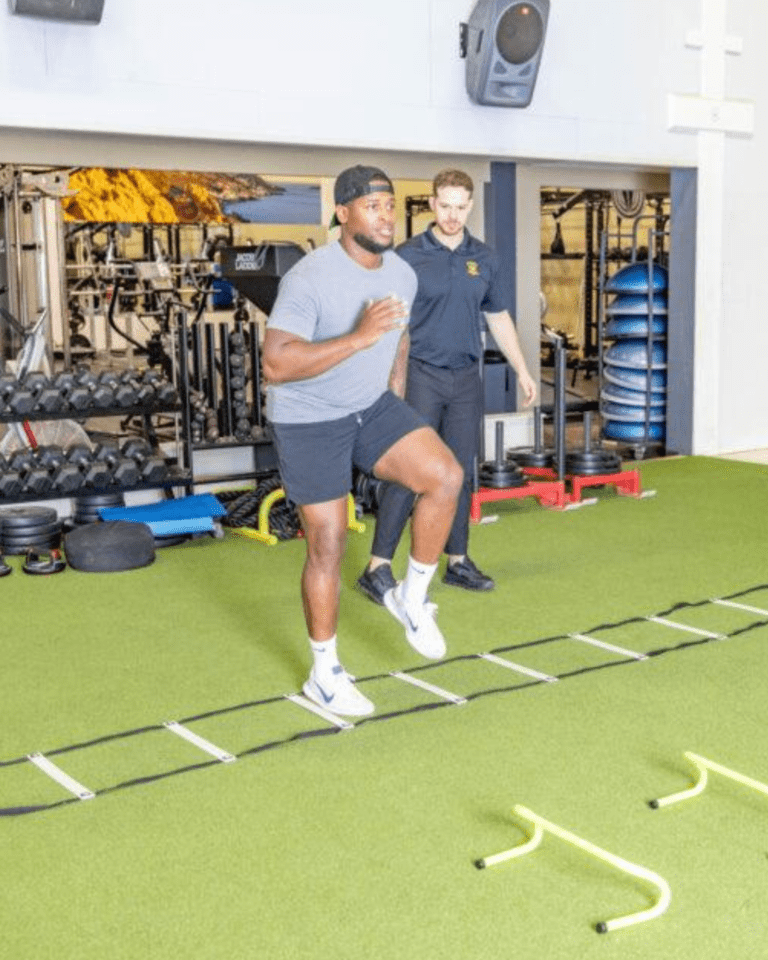
Orthopedic Therapy near Plymouth, MA
Why People Start with Orthopedic Therapy
Most patients begin their journey here because they’re dealing with:
- Joint pain — shoulder, knee, hip, or back discomfort that limits daily life
- Muscle strain or sports injuries — sprains, tears, or repetitive-use pain
- Arthritis or joint stiffness — chronic conditions that limit motion
- Post-surgical rehabilitation — structured recovery after orthopedic procedures
- Work-related injuries — pain tied to movement patterns or repetitive tasks
These issues often share a common root: altered movement mechanics that lead to stress on tissues. Orthopedic therapists identify and address those patterns rather than simply treating pain in isolation.
What Happens in a Session
Expect sessions that blend clinical assessment with hands-on care and prescribed movement. Typical elements include:
Movement Assessment and Evaluation
Therapists observe how you sit, stand, walk, lift, or reach to pinpoint weak or restricted areas that may contribute to pain or dysfunction.
Manual Therapy Techniques
Hands-on techniques — such as soft tissue mobilization and joint mobilization — help reduce pain, loosen tight tissues, and improve joint motion before moving into active exercise.
Targeted Exercise Selection
Exercises are chosen to build strength, increase flexibility, enhance joint control and correct movement patterns. This isn’t generic exercise; it’s tailored to your specific deficit and goals.
Education and Home Program
You’ll leave with clear guidance on movements and habits that support recovery — from posture cues to safe activity progressions.
How Long Sessions Last
Most orthopedic therapy sessions are 45–60 minutes, providing enough time for thorough evaluation, hands-on care, and guided exercise. This duration aligns with typical outpatient physical therapy practice and ensures meaningful progress each visit.
Typical Investment
Out-of-pocket costs for physical therapy can vary by region and provider, but specialized orthopedic sessions in the United States commonly fall within the $115–$155 per session range — a range consistent with broader industry pricing for focused, one-on-one care. This reflects the expertise of the therapist, session length, and individualized plan design.
What Orthopedic Therapy Aims to Achieve
The goal isn’t just short-term relief. A thoughtful orthopedic program aims to:
- Reduce pain and inflammation
- Restore range of motion and flexibility
- Improve muscle strength and endurance
- Re-establish balance, coordination, and functional movement
- Prevent future injury by correcting underlying movement deficits
Each objective supports a broader return to life and activity — whether that’s walking without pain, returning to sport, or resuming work tasks with confidence.
Common Conditions Addressed
Orthopedic therapy benefits a wide spectrum of people, including those dealing with:
- Shoulder, knee, hip, or back pain
- Sports injuries (strains, sprains, tendon issues)
- Work-related musculoskeletal injuries
- Post-surgical rehabilitation after bones, joints, or soft tissues have been repaired
- Arthritis and chronic joint stiffness
It’s a practical, movement-based approach that treats the whole person, not just a symptom.
Finding the Right Fit
Orthopedic therapy works best when the plan matches the individual — not a template from a brochure. A good therapist listens, measures function, and adjusts the program as you improve, ensuring every session moves you closer to your goals.
Orthopedic therapy can be your first step toward lasting relief and functional strength, helping you navigate pain, recover after injury, and return to the activities that matter.
Therapy Type
Ideal For
Conditions Treated
We Accept Your Insurance
We accept most major brands of insurance, Including Aetna, Blue Cross Blue Shield, Cigna, Medicare, Tufts , United Health and Wellsense