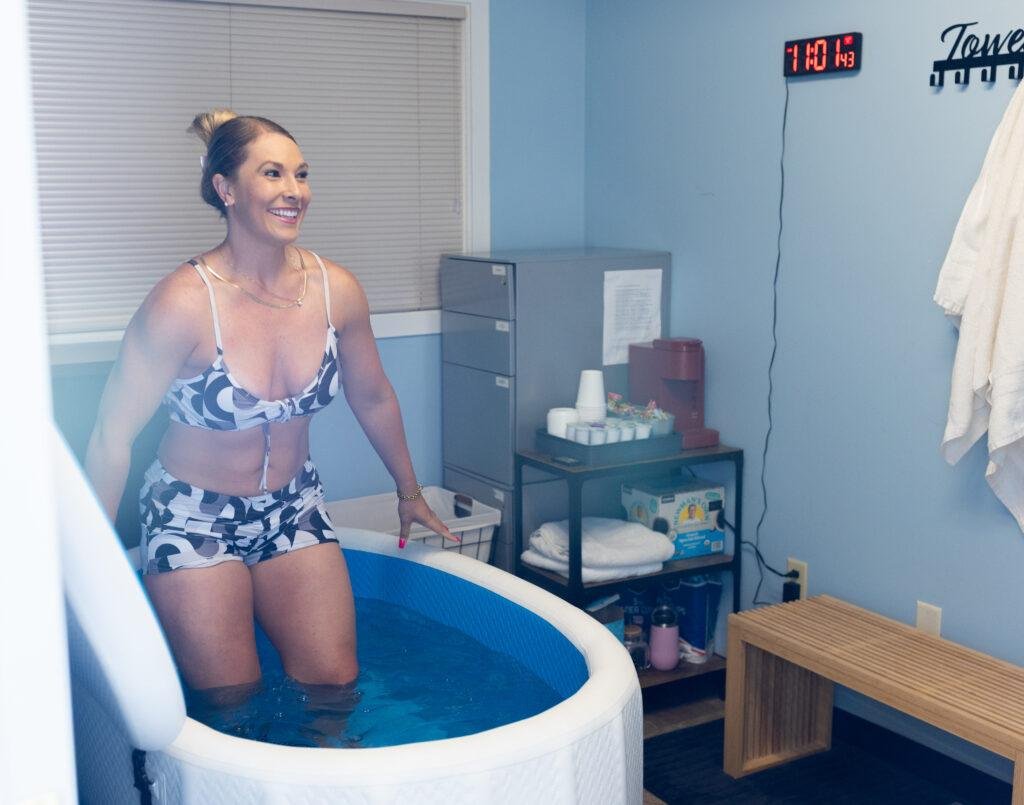
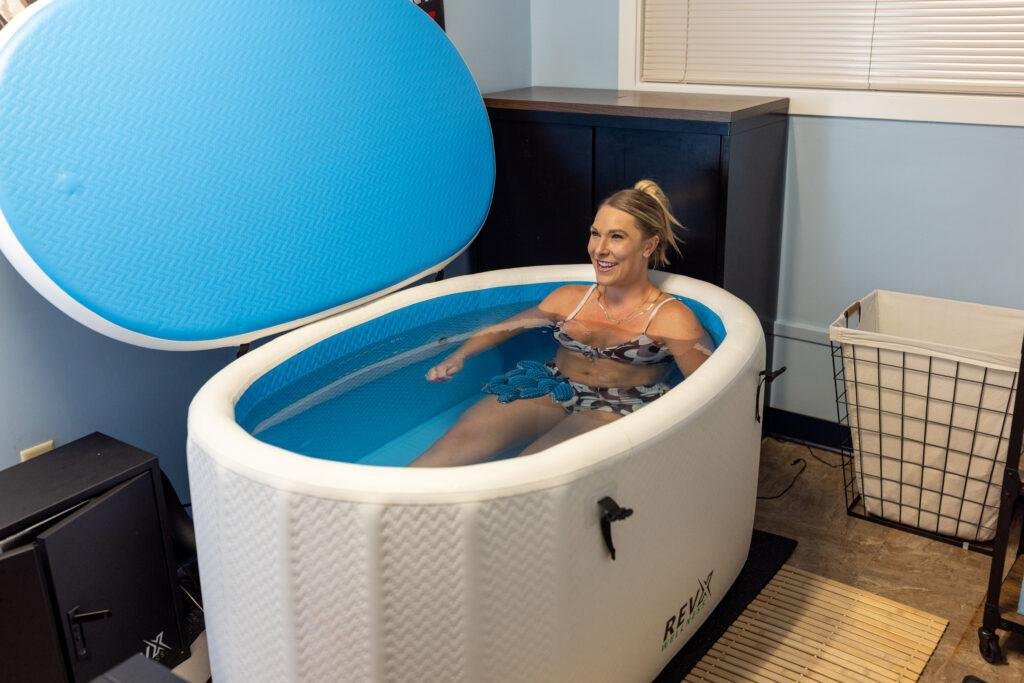
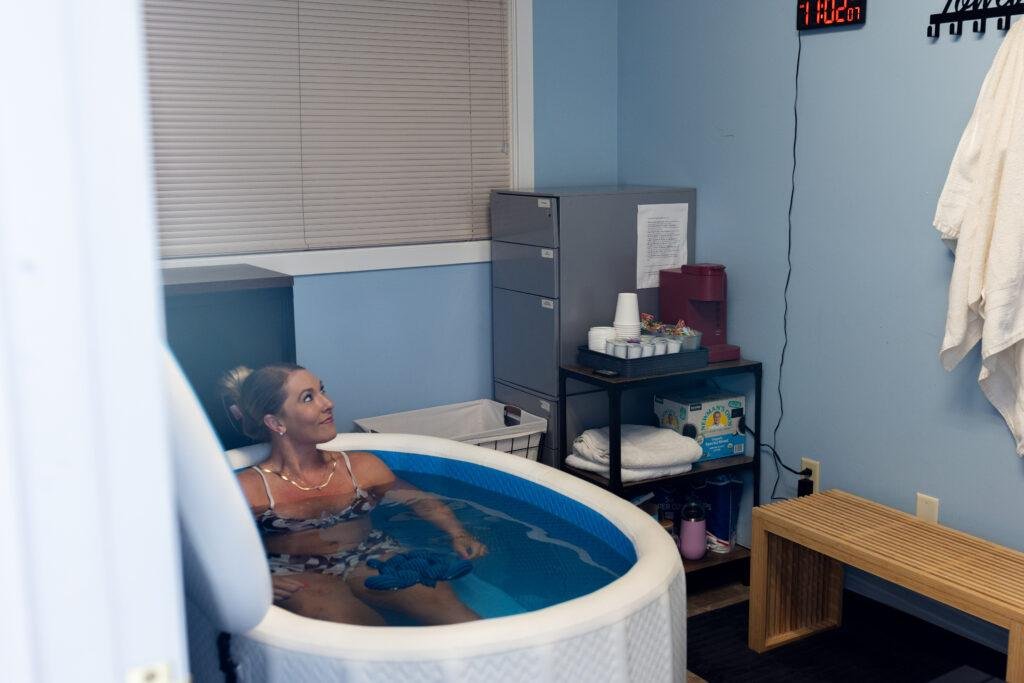
Cold Plunge Therapy at Inspire Physical Therapy in Plymouth, MA: A Guide to Advanced Recovery
For those in Plymouth, MA, and the surrounding South Shore communities of Kingston, Duxbury, Bourne, and Marshfield seeking advanced recovery methods, Inspire Physical Therapy offers a compelling option: cold plunge therapy. This innovative treatment can be a powerful component of a comprehensive rehabilitation or wellness plan. Here’s an in-depth look at how it works, its key benefits, and how it is integrated into patient care at Inspire Physical Therapy.
What is Cold Plunge Therapy?
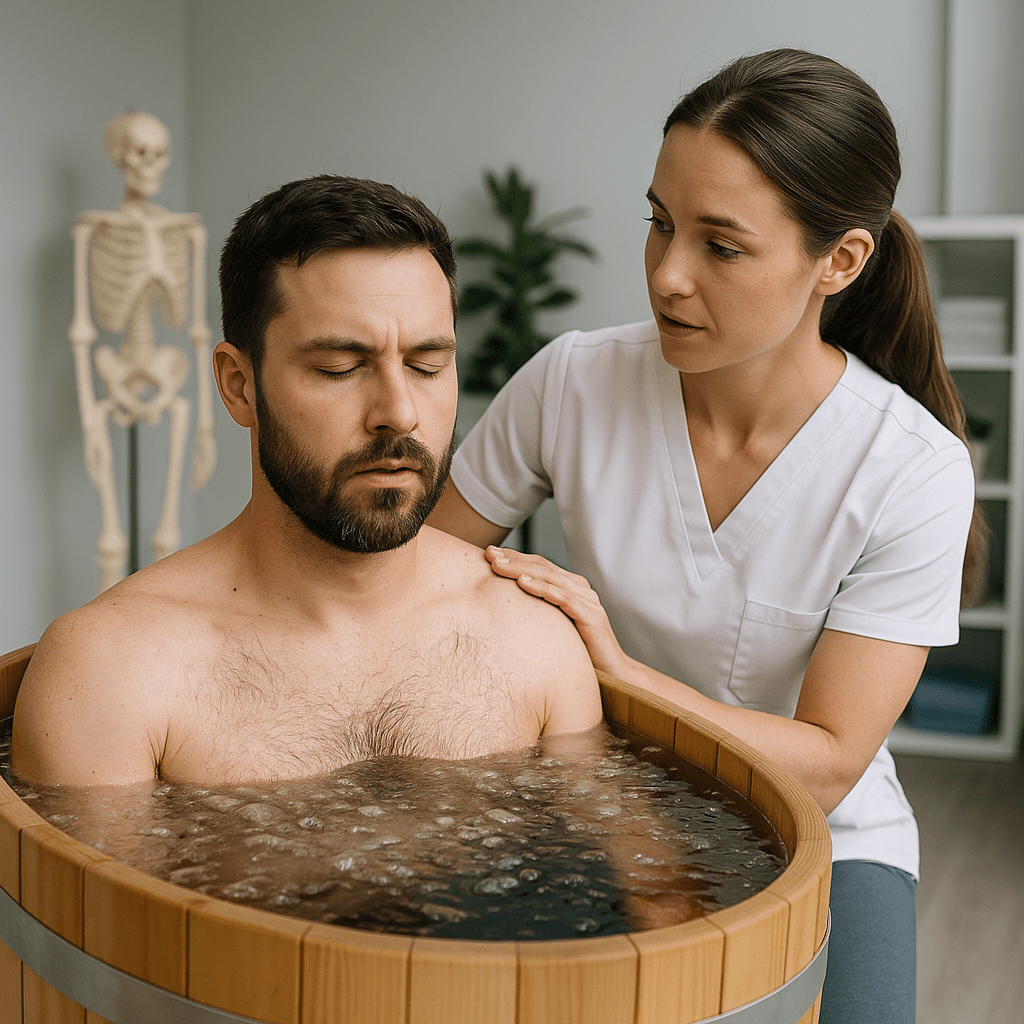
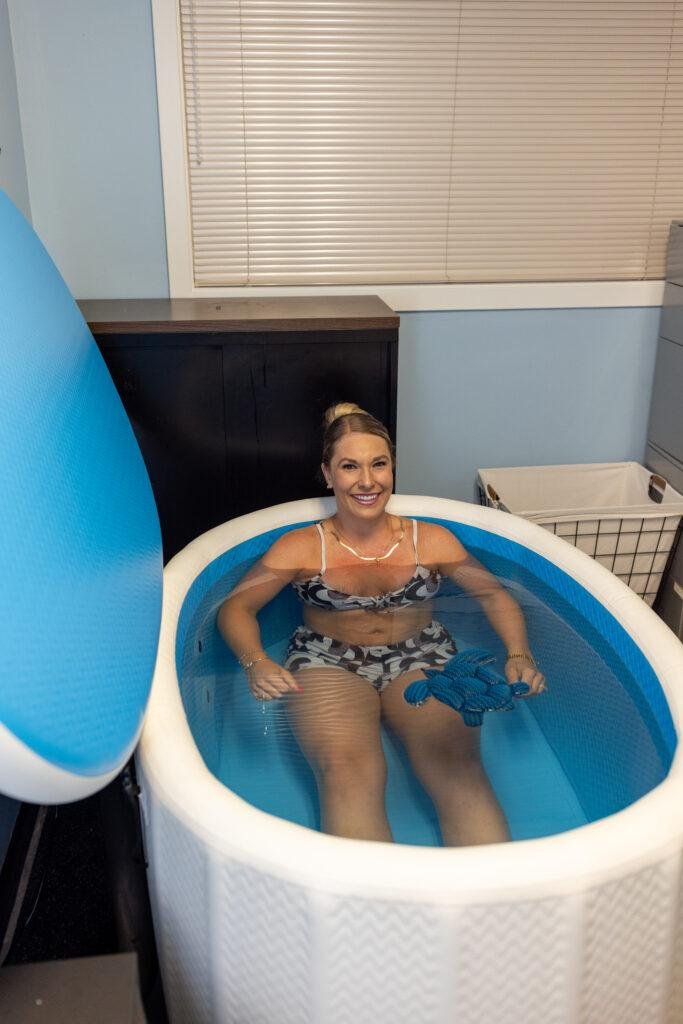
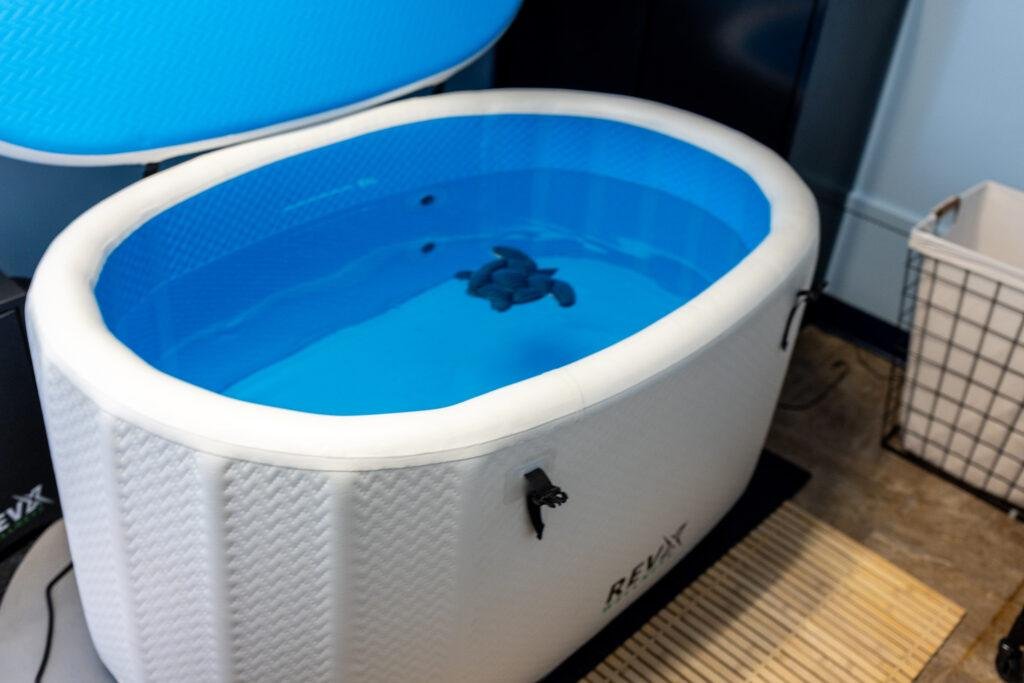
Cold plunge therapy, also known as cold-water immersion or an ice bath, involves submerging the body in water at a temperature of 50-60°F (10-15°C) or colder for a brief period. This practice triggers a cascade of physiological responses that can significantly aid in recovery and overall well-being.
When you immerse your body in cold water, you may experience:
- Vasoconstriction: A narrowing of blood vessels, which can help reduce inflammation and swelling in the muscles.
- Nervous System Activation: The cold shock stimulates the nervous system, leading to an increase in alertness and the release of endorphins, which can elevate mood.
- Reduced Muscle Soreness: Many athletes and individuals use cold plunges to alleviate delayed onset muscle soreness (DOMS) after intense physical activity.
The Key Benefits of Cold Plunge Therapy
Under the guidance of a physical therapist, cold plunge therapy can offer a range of benefits, particularly when integrated into a structured recovery program.
Accelerated Muscle Recovery and Reduced Soreness
Following strenuous exercise or a demanding physical therapy session, cold water immersion can help mitigate muscle soreness and inflammation. By constricting blood vessels, cold therapy can help flush out metabolic waste products from the muscles, leading to a quicker recovery. For patients at Inspire Physical Therapy undergoing orthopedic rehabilitation for hip, knee, or back injuries, this can translate to a more comfortable recovery process and a faster return to therapeutic exercises.
Modulation of Inflammation
Cold therapy is a well-established method for managing inflammation. By reducing blood flow to areas of inflammation, cold plunges can help alleviate pain and swelling associated with acute injuries and chronic conditions. This makes it a valuable complementary treatment for individuals recovering from orthopedic injuries or managing inflammatory musculoskeletal issues like tendonitis.
Enhanced Mood and Mental Resilience
The shock of the cold water can trigger the release of endorphins, the body’s natural mood elevators. Regular exposure to cold water may also help build mental resilience by training the body’s response to stress. This can be particularly beneficial for athletes and individuals dealing with the mental challenges of injury recovery.
Improved Circulation
The process of vasoconstriction followed by the body’s natural rewarming leads to vasodilation (widening of blood vessels). This cycle can help improve overall circulation, delivering fresh, oxygenated blood to the tissues and aiding in the healing process.
Who Can Benefit from Cold Plunge Therapy?
Cold plunge therapy at Inspire Physical Therapy can be a suitable option for a variety of individuals, including:
- Athletes: Those looking to enhance their recovery between training sessions and competitions.
- Orthopedic Rehabilitation Patients: Individuals recovering from surgery or injury who have received clearance for this modality.
- Individuals with Chronic Pain: Those managing persistent muscle soreness or inflammatory conditions.
- Wellness-Focused Individuals: Anyone seeking to improve their overall resilience, mood, and recovery.
Safety and Contraindications: Who Should Be Cautious?
While generally safe when performed correctly, cold plunge therapy is not suitable for everyone. It is crucial to consult with a healthcare professional before beginning this or any new treatment. Individuals with the following conditions should exercise caution or avoid cold plunges:
- Cardiovascular Disease: The cold can cause a rapid increase in heart rate and blood pressure.
- High Blood Pressure: Similar to cardiovascular disease, the stress on the circulatory system can be risky.
- Raynaud’s Phenomenon: A condition that affects blood flow to the extremities.
- Peripheral Neuropathy or Poor Circulation: Reduced sensation can increase the risk of cold-related injury.
- Pregnancy: It is generally advised to avoid extreme temperature changes during pregnancy.
- Open Wounds: To prevent infection, it’s best to wait until any open wounds have fully healed.
At Inspire Physical Therapy, Dr. Sam Rosenbach, PT, DPT, and his team conduct thorough assessments to ensure that cold plunge therapy is a safe and appropriate option for each patient.
Integrating Cold Plunge Therapy into Your Treatment Plan in Plymouth, MA
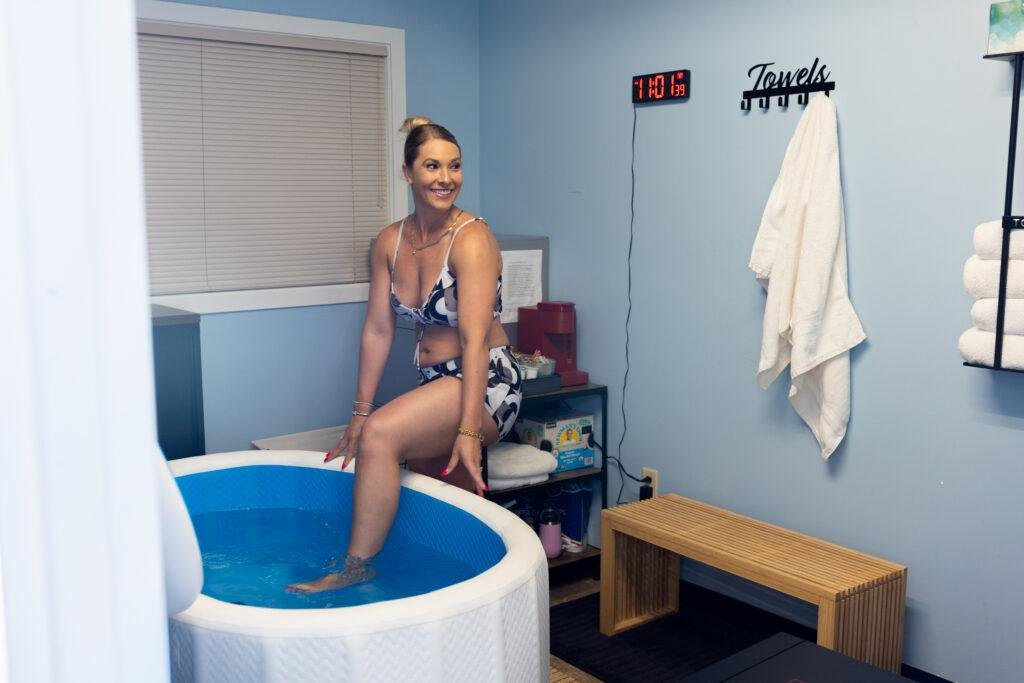
Inspire Physical Therapy, located at 16 Aldrin Rd inside Plymouth Fitness, takes a comprehensive approach to patient care, integrating advanced modalities like cold plunging with traditional physical therapy techniques.
Here’s how cold plunge therapy may be incorporated into your plan:
- Personalized Assessment: Your physical therapist will evaluate your condition and determine if cold plunge therapy is right for you.
- Structured Program Design: Cold plunge sessions will be strategically timed with your physical therapy appointments, such as after a challenging session, to maximize recovery.
- Professional Guidance: You will receive clear instructions on the recommended duration and temperature for your sessions, ensuring both safety and effectiveness.
- Holistic Approach: Cold plunge therapy is used as a complementary tool alongside other evidence-based treatments offered at Inspire Physical Therapy, including orthopedic rehabilitation, balance and gait training, and dry needling, to achieve the best possible outcomes.