Neurological Rehabilitation
Restoring movement, function, and confidence after injuries or conditions of the nervous system
 16 Aldrin Rd, Plymouth, MA
Restoring movement, function, and confidence after injuries or conditions of the nervous system
Neurological rehabilitation is a specialized branch of physical therapy focused on patients whose movement challenges stem from the nervous system rather than just muscles or joints. This includes people recovering from stroke, traumatic brain injury, spinal cord injury, or living with progressive conditions such as Parkinson’s disease or multiple sclerosis. The aim is to improve mobility, balance, coordination, strength, and independence in daily activities by retraining the brain and body to work together more effectively.
Unlike general orthopedic care, neurological rehab places emphasis on how the nervous system controls movement, helping patients rebuild pathways and motor skills through targeted, repetitive practice and functional training that reflects real-world tasks.
This type of rehabilitation supports individuals facing movement challenges linked to neurological conditions, including:
Each condition presents unique movement challenges, and neurological rehabilitation thrives on designing individualized plans that match the patient’s level of function and recovery goals.
Sessions are typically 60 minutes, giving therapists time to assess progress, apply hands-on techniques, and guide movement tasks that challenge the nervous system in a controlled way. Pricing usually runs between $140–$190 per session — reflecting the specialized skills and careful progression required for neurological care.
Common elements of neurological rehabilitation at Inspire may include:
Gait and Mobility Training
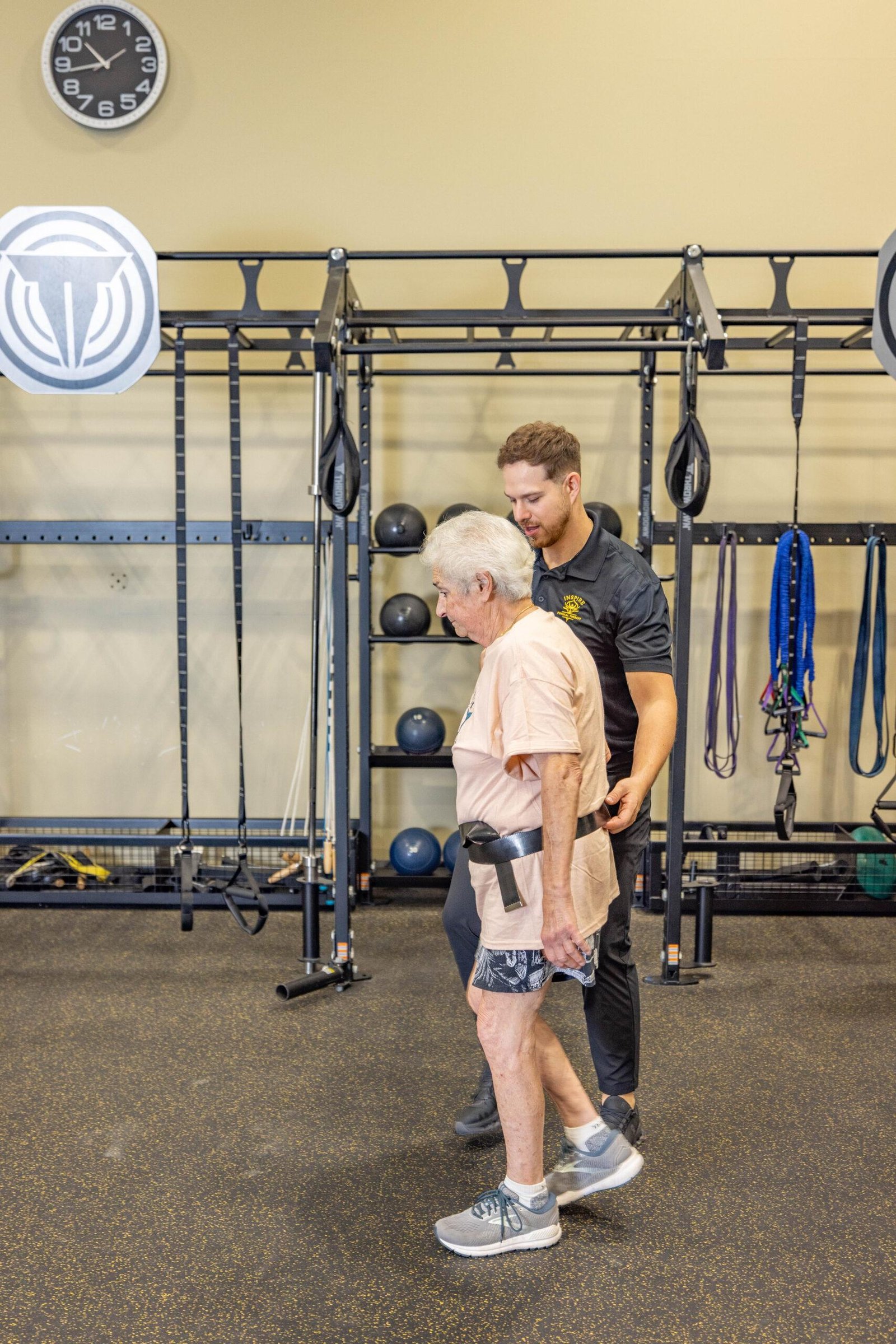
Relearning walking and movement patterns is central to many neurological rehab plans. Techniques may involve guided walking practice, treadmill work with support, or assistive devices that help patients practice stepping patterns and improve stride symmetry.
Balance and Coordination Work
Exercises targeting postural control, dynamic stability, and reaction to perturbations reduce fall risk and enhance everyday mobility. Repetitive, engaging tasks can retrain neural circuits responsible for coordination and balance.
Strength and Functional Movement
Neurological conditions often weaken muscles or disrupt activation patterns. Therapists use targeted therapeutic exercise to rebuild strength in key muscle groups and improve motor control for tasks like standing, turning, and navigating steps.
Task-Specific Training
Patients practice movements and activities that matter to them — rising from a chair, walking through the home, or navigating obstacles — all under therapist supervision to ensure safety and progress.
Neuroplasticity-Driven Strategies
Therapists structure repetition and progression in ways that support neuroplasticity, the nervous system’s ability to form new neural connections, allowing skills lost to injury or disease to be relearned or adapted.
Neurological rehabilitation doesn’t promise a “quick fix,” but when applied consistently and appropriately, it can:
Many patients find that even incremental improvements translate into meaningful gains in quality of life — more confidence moving around the home, safer mobility in community settings, or a greater ability to engage with family and social life.
Neurological rehab requires patience and progression — there are no shortcuts when retraining the nervous system. At Inspire Physical Therapy, care revolves around your goals and daily challenges, with therapists adjusting interventions as you improve. This tailored approach ensures that recovery isn’t just about movement in the clinic, but movement that matters in everyday life.
If you’d like, I can outline what a typical neurological rehabilitation plan might look like for a specific condition such as stroke or Parkinson’s. Would that be helpful?
We accept most major brands of insurance, Including Aetna, Blue Cross Blue Shield, Cigna, Medicare, Tufts , United Health and Wellsense